


A budget-friendly family vacation is a trip that keeps costs low without cutting the fun. It means smart choices on travel, lodging, food, and activities. In this guide, it means a trip for a family of four that costs under $5,000 in total.
Family trips can get expensive fast. Flights add up. Hotels add up. Even one day at a theme park can cost hundreds of dollars. But a great vacation doesn’t need a huge budget. With the right destination, you can spend less and still make memories your kids will talk about for years.
The good news is that the US has plenty of affordable options. You can hike in national parks, relax on quiet beaches, or explore historic cities. A lot of these places offer free or low-cost attractions. Below, you’ll find 15 spots that are fun for kids, easy on parents, and kind to your wallet.
What Makes a Family Vacation Truly Budget-Friendly?
A budget-friendly family vacation isn’t just a cheap trip. It’s a trip where every dollar goes to something your family will enjoy. There are no extras you don’t need to pay for. You also don’t miss out on the moments that matter. The key is to plan your spending before you leave, not after you get home.
Key Factors to Consider: Accommodation, Meals, and Activities
Three costs decide most family travel budgets: where you sleep, what you eat, and what you do. It gets easier once you get these right.
- Accommodation: Usually your biggest cost after travel. Compare the total price, including parking and resort fees, not just the nightly rate.
- Meals: The easiest cost to control. Food adds up every day, so small habits make a big difference.
- Activities: Free and low-cost attractions can fill most of your days. Add one or two paid highlights.
Timing matters too, and we cover it in the off-peak section below. For step-by-step ways to cut these costs, see the tips section near the end.
Setting a Realistic Family Travel Budget ($1,500 – $5,000)
A good budget starts with one number. Decide the most your family can spend, then split it across the big costs. Start with transport and lodging, since they usually take the biggest bite. Then plan food and activities. Always keep a small buffer for surprises like a flat tire or a rainy day.
Your budget range depends on how far you travel and how long you stay. A road trip close to home can fit under $1,500. A week with flights can reach $5,000. The table below shows sample budgets for a family of four. Use it as a starting point, then adjust it to your own plans.
Use our free budget calculator. Enter your lodging, food, transport and activity costs to see your total trip budget, including a 10% buffer.
Family Vacation Budget Calculator
Enter your own numbers (in USD) to see your total trip budget.
Formula used: Trip Budget = [(Lodging × Nights) + (Food × Days) + Transport + Activities] × 1.10
| Category | $1,500 Trip | $3,000 Trip | $5,000 Trip | Smart Saving Tip |
| Typical trip style | 4–5 days, drive-to destination | 5–7 days, drive or budget flights | 7 days, flights and a rental car | Pick the style first, then the destination |
| Transportation | $350 | $800 | $1,400 | Drive if the trip is under 8 hours, and book flights early |
| Accommodation | $450 | $900 | $1,500 | Choose a place with a kitchen and free parking |
| Food | $400 | $650 | $1,000 | Cook breakfast, pack lunch, and eat out once a day |
| Activities | $150 | $350 | $700 | Mix free spots with one or two paid highlights |
| Souvenirs and extras | $50 | $100 | $150 | Give each child a small spending limit |
| Emergency buffer | $100 | $200 | $250 | Keep it separate, and don't spend it unless needed |
| Total | $1,500 | $3,000 | $5,000 | Track spending daily so there are no surprises |
Family Vacation Under $500: Is It Really Possible?
Yes, it is possible. It just needs a short trip close to home. Think 2 or 3 nights, not a full week. Skip flights and hotels. Choose a campsite, a cabin, or a night or two at a budget motel. Cook your own meals, and pick activities that cost little or nothing.
Here is a sample budget for a family of four on a 3-night camping trip:
| Category | Estimated Cost (USD) | How to Keep It Low |
| Gas | 40–100 | Choose a spot within 2 to 4 hours of home |
| Campsite (3 nights) | 50–120 | State parks often cost less than private campgrounds |
| Food | 100–160 | Plan simple meals and bring a cooler |
| Activities | 0–40 | Hiking, swimming, fishing, and stargazing are free or cheap |
| Extras and buffer | 30–70 | Firewood, ice, and small surprises |
| Total | 220–490 | Stays under $500 even at the high end |
A few more ideas for tight budgets:
- Staycation: Visit free museum days, local parks, and nearby beaches. Sleep in your own bed.
- Day trips: Plan three or four one-day outings instead of overnight stays.
- Off-season camping: Fall and spring campsites are quieter and often cheaper.
- Borrow or rent gear: Ask friends or check local outdoor shops for tents and sleeping bags.
Best Budget-Friendly Theme Parks & Family Attractions

Big attractions don't have to mean big bills. Some of the best family fun in the US is free or low cost. The rest just needs smart planning.
These four stops mix free museums, water parks, and space history. Each one gives kids a memory and gives parents room to breathe. There is a rough estimate of the cost per person and family of four for each stop.
Washington, D.C. (Free Museums & Monuments)
Washington, D.C. is one of the best-value trips in the country. Most Smithsonian museums are free. Kids can see dinosaur fossils, space rockets, and real airplanes. The National Mall adds monuments you can walk to at no cost. Some museums ask for free timed passes, so check ahead.
Cost breakdown (family of four, 5 days):
- Getting there: 150–400 for gas, or 800–1,400 for flights
- Lodging (5 nights): 650–900 outside the city center
- Food: 300–500 if you pack lunches and snacks
- Metro, extras, and buffer: 300–600
- Total: about 1,400–3,400
Where to stay on a budget:
- Arlington and Alexandria, Virginia: Lower rates and quick Metro rides downtown.
- Silver Spring and Bethesda, Maryland: Family-friendly suburbs near Metro stations.
- Hotels with free breakfast or a kitchenette: They cut your food costs every day.
LEGOLAND & Winter Haven, Florida
LEGOLAND Florida is built for kids aged 2 to 12. The rides are gentle, and everything is hands-on. Kids can build and race LEGO cars and walk through Miniland USA. The park sits in Winter Haven, about 45 minutes from Orlando. Hotels and food there often cost less than in the big tourist zones.
Cost breakdown (family of four, 4 days):
- Tickets (2 days): 450–750, depending on the date and online deals
- Getting there: 200–400 for gas, or 800–1,300 for flights
- Lodging (4 nights): 500–800 outside the main tourist zones
- Food: 300–500
- Parking, extras, and buffer: 160–320
- Total: about 1,600–3,700
Where to stay on a budget:
- Winter Haven or Lakeland: Lower rates than the Orlando resort areas.
- Suites with a kitchenette: Cook simple meals and save on food.
- Midweek and off-season stays: Rates drop, and so do the ride lines.
Wisconsin Dells, Wisconsin (Waterpark Capital)
The world's largest water park is located in Wisconsin Dells. Kids can splash all day in indoor and outdoor parks. Many hotels include waterpark access with your stay, so you skip separate tickets. Boat tours and mini golf fill the gaps between swim sessions. Visit midweek or off-season for lower rates.
Cost breakdown (family of four, 4 days):
- Getting there: 150–400 for gas, or 800–1,300 for flights
- Lodging (3 nights): 450–1,000
- Food: 250–450
- Water parks and activities: 200–500
- Extras and buffer: 100–200
- Total: about 1,150–3,450
Where to stay on a budget:
- Hotels with waterpark access included: One price covers your room and the splash time.
- Kitchenette suites or cabins: Save on meals for the whole family.
- Spring and fall stays: Summer weekends cost the most.
Kennedy Space Center & Cape Canaveral, Florida
Kennedy Space Center lets kids get close to real rockets. They can see the Space Shuttle Atlantis up close. Your ticket includes a bus tour of the launch area. Nearby Cocoa Beach has free public beaches for an easy beach day. Check the launch schedule, because watching a launch from the shore costs nothing.
Cost breakdown (family of four, 4 days):
- Getting there: 200–450 for gas, or 1,000–1,600 for flights and a rental car
- Lodging (3 nights): 400–750
- Food: 300–500
- Visitor Complex tickets: 300–450
- Extras and buffer: 100–200
- Total: about 1,300–3,500
Where to stay on a budget:
- Titusville: Close to the visitor complex, with lower rates than beachfront hotels.
- Cocoa Beach motels and condos a few blocks from the sand: Beach access without the oceanfront price.
- Hotels with free breakfast: A simple way to trim daily food costs.
Best Affordable National Parks & Outdoor Escapes
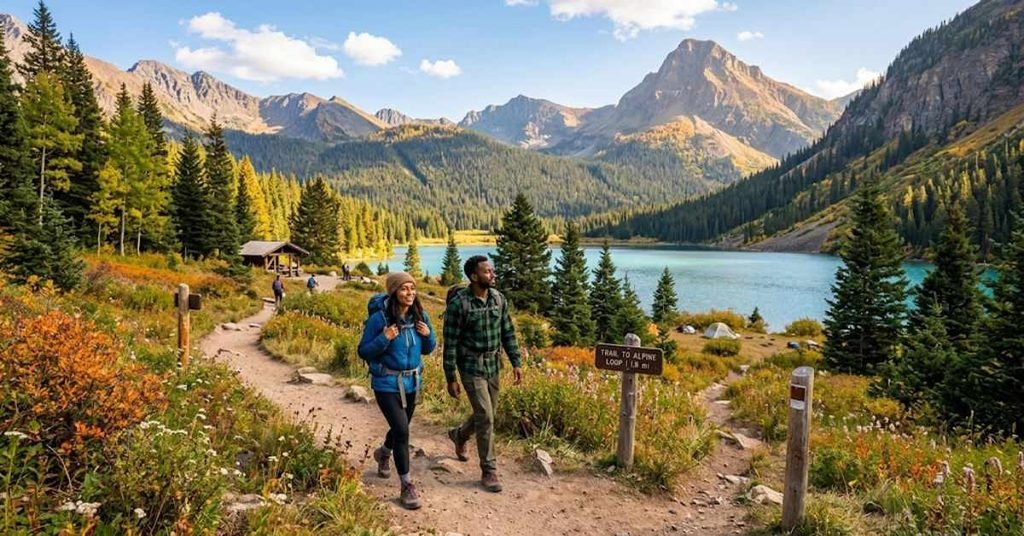
National parks are some of the best-value trips in America. Entry fees are low, and the views are free. Kids can hike, spot wildlife, and explore without waiting in a ticket line.
Gas, lodging, and food are where the money goes, so plan those first. Camping or staying in a nearby town cuts costs fast. Here are four outdoor escapes that fit a family budget.
Great Smoky Mountains National Park, TN & NC
Among all the US national parks, Great Smoky Mountains National Park sees the most visitors. Entry is free, which makes it a family budget favorite. Kids can splash in streams, spot black bears from a safe distance, and walk easy trails. You need a parking tag if you park for more than 15 minutes. The daily cost is only a few dollars.
Cost breakdown (family of four, 5 days):
- Getting there: For gas and a rental car, you'll spend between 200 and 450 dollars
- Lodging (4 nights): 500–1,000
- Food: 350–600
- Parking tag and activities: 50–300
- Extras and buffer: 100–200
- Total: about 1,200–3,600
Where to stay on a budget:
- Townsend, Tennessee: Quieter and often cheaper than Gatlinburg.
- Cabins and vacation rentals: Room for the whole family, plus a kitchen.
- Park campgrounds: Very low cost, but reserve early.
Yellowstone & Grand Teton National Parks, Wyoming
Wyoming has Yellowstone and Grand Teton side by side. That makes them easy to combine in one trip. Kids can watch Old Faithful erupt, spot bison and elk, and splash at a lake beach. The two parks are about an hour apart, so you spend less time driving. Summer rooms near the parks cost more, so book early or camp.
Cost breakdown (family of four, 6 days, US residents):
- Getting there: 250–600 for gas, or 1,100–2,000 for flights and a rental car
- Lodging (5 nights): 900–1,600
- Food: 450–750
- Park entry fees: about $70 for both parks (check current rates)
- Extras and buffer: 200–400
- Total: about 1,870–4,820
Visiting from outside the US? Since January 1, 2026, non-US residents aged 16 and over pay an extra $100 per person at these parks, unless they hold the $250 non-resident annual pass. Check NPS.gov for the latest rules, because this can push a family trip closer to $5,000.
Where to stay on a budget:
- West Yellowstone, Montana, and Gardiner, Montana: Gateway towns with more choice and lower rates than rooms inside the parks.
- Driggs, Idaho: A quieter base near the Tetons, often cheaper than Jackson.
- Park campgrounds: The lowest-cost option, but they fill up months ahead.
Black Hills & Badlands, South Dakota
The Black Hills and Badlands offer big sights at friendly prices. Kids can see Mount Rushmore, spot bison in Custer State Park, and hike the strange rock towers of Badlands. Mount Rushmore has no entry fee, only a parking fee. Wall Drug is a fun roadside stop with free ice water.
Cost breakdown (family of four, 5 days):
- Getting there: 250–500 for gas, or 1,000–1,700 for flights and a rental car
- Lodging (4 nights): 500–900
- Food: 350–600
- Park and attraction fees: 80–250
- Extras and buffer: 100–200
- Total: about 1,280–3,650
Where to stay on a budget:
- Rapid City: The most hotel choices and the lowest rates in the area.
- Custer and Hill City: Small motels and cabins close to the sights.
- Campgrounds in Custer State Park or Badlands: Cheap, but reserve early.
Olympic National Park, Washington
Olympic National Park has three different worlds in one place. Kids can explore a mossy rainforest, hike mountain trails, and comb wild beaches. Entry costs about $30 per vehicle and lasts a week. A tide pool and a ranger program are free of charge.
Cost breakdown (family of four, 6 days):
- Getting there: Gas and ferry costs 200-400, or 1,100-2,000 for flights, a rental car, and gas if you drive
- Lodging (5 nights): 700–1,300
- Food: 450–750
- Park fee and activities: 30–150
- Extras and buffer: 150–300
- Total: about 1,530–4,500
Where to stay on a budget:
- Port Angeles: A good base for Hurricane Ridge, with budget motels.
- Forks or Sequim: Handy bases for the rainforest, beaches, and drier weather.
- In-park campgrounds: Low cost, with beautiful settings.
Affordable Beach & Island Destinations for Families

Beach trips can be cheap or very pricey, depending on where and when you go. Public beaches cost nothing. Prices rise the most in hotels and rentals.
Go in the shoulder season, stay a few blocks from the sand, and cook some meals. Those three habits save hundreds of dollars. These four coastal spots keep the fun high and the costs low.
Dreaming of something farther away? Browse our list of dream vacation destinations for tropical islands and beach escapes worldwide.
Florida Keys, Florida (Laid-Back Island Vibe)
A different world awaits you in the Florida Keys. The pace is slow, the water is clear, and kids can snorkel, kayak, and spot sea life. Prices can run high, especially in Key West. Staying in the Upper or Middle Keys keeps costs lower. State parks are a cheap way to get beach and snorkel days.
Cost breakdown (family of four, 5 days):
- Getting there: 250–450 for gas, or 1,100–1,800 for flights and a rental car
- Lodging (4 nights): 700–1,400
- Food: 400–700
- Activities (snorkeling, state park fees, boat rides): 100–400
- Extras and buffer: 150–300
- Total: about 1,600–4,600
Where to stay on a budget:
- Key Largo or Marathon: Usually cheaper than Key West.
- Motels with efficient kitchens: Cook some meals and save.
- State park campgrounds: The lowest cost, but book far ahead.
Hilton Head, South Carolina
Hilton Head is a calm, family-friendly island. The beaches are wide and public, and the bike trails are flat and easy for kids. You can rent bikes, spot dolphins, and spend a day at Coligny Beach. Condos and villas help families save by cooking at home.
Cost breakdown (family of four, 5 days):
- Getting there: 200–450 for gas, or 1,000–1,700 for flights and a rental car
- Lodging (4 nights): 600–1,300
- Food: 400–650
- Activities (bikes, dolphin tour, mini golf): 100–350
- Extras and buffer: 100–250
- Total: about 1,400–4,250
Where to stay on a budget:
- Condos and villas with kitchens: More space and lower food costs.
- Bluffton and nearby mainland hotels: Lower rates, a short drive from the island.
- Spring and fall stays: Rates drop outside the peak summer weeks.
Outer Banks, North Carolina
The Outer Banks are long, quiet barrier islands. The beaches are wide and uncrowded. Kids can climb giant dunes at Jockey's Ridge State Park, fly kites, and visit historic lighthouses. Jockey's Ridge is free to enter. Go in spring or fall to avoid peak summer prices.
Cost breakdown (family of four, 5 days):
- Getting there: 200–450 for gas, or 1,000–1,700 for flights and a rental car
- Lodging (4 nights, off-peak): 600–1,400
- Food: 400–650
- Activities (lighthouses, museums, lessons): 50–300
- Extras and buffer: 100–250
- Total: about 1,350–4,300
Where to stay on a budget:
- Kill Devil Hills and Nags Head: Hotels and small motels near the beach.
- Off-season rental homes: Much cheaper than summer weekly rates.
- Campgrounds near Cape Hatteras National Seashore: Low cost, right by the water.
Gulf Shores & Orange Beach, Alabama
Gulf Shores and Orange Beach have soft white sand and warm water. Kids can swim, build sandcastles, and visit the Alabama Gulf Coast Zoo. Gulf State Park adds trails and a long fishing pier. Prices here are often lower than at other Gulf beaches. Off-season stays cost even less.
Cost breakdown (family of four, 5 days):
- Getting there: 200–450 for gas, or 1,000–1,700 for flights and a rental car
- Lodging (4 nights): 550–1,300
- Food: 400–650
- Activities (zoo, dolphin cruise, mini golf): 100–400
- Extras and buffer: 100–250
- Total: about 1,350–4,300
Where to stay on a budget:
- Condos off the beachfront: Same beach, lower nightly rate.
- Foley: A short drive inland, with cheaper hotels.
- Fall and spring stays: Lower prices and fewer crowds.
Underrated City Breaks & Hidden Family Gems

Not every great family trip is a big-name destination. Smaller cities often cost less and feel less crowded. You get shorter lines, easier parking, and friendlier prices.
These three cities mix outdoor fun, hands-on museums, and good food. They are easy to do in three or four days. Each one fits a family budget well.
Chattanooga, Tennessee (Mountain Views & Riverfront)
Chattanooga packs a lot of fun into a small, walkable city. Kids can see sea life at the Tennessee Aquarium, walk the Walnut Street Bridge, and ride the Lookout Mountain Incline Railway. Riverfront parks and playgrounds are free. Pick one or two paid attractions, then fill the rest with outdoor time.
Cost breakdown (family of four, 4 days):
- Getting there: 150–400 for gas, or 900–1,500 for flights and a rental car
- Lodging (3 nights): 400–800
- Food: 300–500
- Attractions (aquarium, caves, incline railway): 150–600
- Extras and buffer: 100–200
- Total: about 1,100–3,600
Where to stay on a budget:
- Downtown hotels with free parking: Walk to the riverfront and skip daily parking fees.
- Hotels in Hixson or East Ridge: Lower rates, a short drive from the center.
- Cabins and rentals near Lookout Mountain: Good value for bigger families.
Huntsville, Alabama (Space History & Low-Cost Fun)
Huntsville is known as Rocket City. The U.S. Space & Rocket Center has a giant Saturn V rocket and hands-on exhibits. Kids can try space simulators and see real spacecraft. Parks, gardens, and trails add free fun. Hotel and food prices are lower than in most big cities.
Cost breakdown (family of four, 4 days):
- Getting there: 150–400 for gas, or 900–1,500 for flights and a rental car
- Lodging (3 nights): 350–700
- Food: 300–500
- Attractions (rocket center, gardens, state park): 150–450
- Extras and buffer: 100–200
- Total: about 1,050–3,350
Where to stay on a budget:
- Hotels near the Space & Rocket Center: Easy access and no long drives.
- Madison, Alabama: Nearby, with lower rates.
- Suites with free breakfast: Start every day with one less expense.
Portland, Maine (Coastal Charm & Kid-Friendly Food)
Portland, Maine is a small coastal city with a big charm. Kids can ride a ferry in Casco Bay, visit Portland Head Light, and play on nearby beaches. The Old Port is full of easy, kid-friendly food. Many sights are outdoors and free. Visit in early fall for lower prices and fewer crowds.
Cost breakdown (family of four, 4 days):
- Getting there: 150–450 for gas, or 1,000–1,700 for flights and a rental car
- Lodging (3 nights): 500–1,100
- Food: 350–600
- Activities (ferry, museum, beaches): 100–350
- Extras and buffer: 100–250
- Total: about 1,200–4,000
Where to stay on a budget:
- South Portland and Westbrook: Lower rates than the Old Port.
- Early fall stays: Summer is the most expensive season.
- Rentals with kitchens near Scarborough: Beach access and home-cooked meals.
Cheap All-Inclusive Family Vacations in the US: What Are Your Real Options?

True all-inclusive vacations are rare in the US. The few in the US usually cost more than a typical budget trip. Looking for a classic all-inclusive resort? Mexico and the Caribbean often cost less than the US. Compare the total price, including flights, before you decide. You can still feel like you have paid once and have no more worries. Here are the closest options for a family of four.
Family Resorts With Meals and Activities Included
A small number of US resorts bundle lodging, meals, and kids' activities into one price. Club Med Sandpiper Bay in Florida is one example. Rates change a lot by season, and a week can use most of a $5,000 budget. Look at shorter stays or off-peak dates to bring the cost down.
Dude Ranches
Many dude ranches include your room, three meals a day, horseback riding, and kids' programs. Kids get a real outdoor adventure. The catch is price. A full week for four people can pass $5,000, so look for shorter 3- or 4-night stays or off-season rates.
Short Cruises From US Ports
A 3- or 4-night cruise to the Bahamas from Florida often includes your cabin, meals, and entertainment. It is usually the easiest all-inclusive style trip to fit under $5,000. Drinks, excursions, tips, and Wi-Fi often cost extra, so check what is covered before you book.
Build Your Own "All-Inclusive" Trip
You can also create the same effect yourself:
- Prepay big costs: Buy tickets and book lodging before you leave.
- Choose a rental with a kitchen: Food becomes your most predictable cost.
- Set a daily spending limit: Treat the rest like a prepaid package.
Quick tip: Always compare the all-inclusive price with the cost of booking lodging, food, and activities separately. For many families, the do-it-yourself route is cheaper.
Affordable Family Vacations With Teens: Where to Go and What to Do
Teens are harder to please than little kids. They want action, new experiences, and a bit of freedom. The good news is that many budget-friendly spots already fit them well. Pick places with hands-on activities, outdoor adventure, or something worth posting about. Then let your teen help plan the trip.
Best Budget-Friendly Spots for Teens
- Washington, D.C.: Free museums and real spacecraft for history and tech fans.
- Chattanooga: Caves, hiking, and the incline railway.
- Huntsville: Space simulators and hands-on science.
- Florida Keys: Snorkeling and kayaking.
- Great Smoky Mountains: Hiking, stream tubing, and photography, with free entry.
- Outer Banks: Giant dunes, surf lessons, and kite flying.
- Black Hills & Badlands: Taking a drive through a rock tower and exploring wildlife.
How to Keep Teens Happy on a Budget
- Let them pick one activity a day. The trip becomes theirs to own.
- Choose active over passive. Hiking, snorkeling, and biking beat long sightseeing walks.
- Plan some free time. Teens enjoy a little space, even if it's just an hour at the beach.
- Pick lodging with Wi-Fi and a pool. Both are low-cost ways to keep teens comfortable.
- Pack a power bank. Dead phones cause more trouble than most parents expect.
- Give them a small budget. A set amount for souvenirs and snacks helps them learn to plan.
Actionable Tips to Save Money on Your Family Trip
Saving money on a family trip starts long before you pack. Set a clear budget first. Then book the big costs early, like flights and hotels. Plan your meals and activities too. Small choices add up fast. A few smart habits can save you hundreds of dollars and keep the trip stress-free.
How to Cut Accommodation & Meal Costs
- Book a room with a kitchen or kitchenette. Cooking even a few meals saves a lot.
- Choose free breakfast. It can save 20–40 a day for a family of four.
- Stay just outside the tourist zone. Rates are often much lower a short drive away.
- Ask about hidden fees. Parking, resort, and cleaning fees can add up quickly.
- Compare vacation rentals and hotels. Rentals often win for larger families.
- Book flexible rates. When the price drops, you can rebook with no penalty.
- Pack snacks and refillable water bottles. This cuts costly stops at gas stations and attractions.
- Shop at a local grocery store on day one. Prepare your breakfast, drinks, and lunch in advance.
- Eat out at lunch, not dinner. Many restaurants have cheaper lunch menus.
- Look for kids-eat-free deals. Many family restaurants offer them on certain days.
- Make one meal a day your "treat" meal. You still enjoy local food without overspending.
Smart Ways to Track Daily Expenses On the Road
Tracking your spending keeps one big surprise from ruining the trip. Keep track of your budget every day. It only takes a few minutes. When you see where the money goes, you can fix problems early. You can also enjoy the rest of the trip without guilt.
- Set a daily spending limit. Count the number of days on your budget and divide it by that.
- Use a budget app or a simple notes app. After each purchase, you should log it.
- Keep a separate card or cash envelope for daily spending. It's easier to see what's left.
- Save every receipt. Take a photo of each one if you don't want paper clutter.
- Do a 5-minute check-in each night. Ensure you don't spend more than your daily limit.
- Give kids a small spending allowance. It teaches them to budget and stops impulse buys.
- Move unused money forward. If you spend less today, use the extra for a treat later.
Best Seasons for Off-Peak Family Travel
Peak season means higher prices and bigger crowds. Off-peak travel flips that. You pay less for flights, hotels, and often tickets. Lines are shorter, too. The trade-off is that you may need to work around school schedules or weather. The table below shows the best times to travel for a family on a budget.
| Season | Best For | Savings Potential | What to Watch Out For |
| Early January to February | Theme parks and warm-weather destinations like Florida | High | Holiday weeks and school breaks cost more |
| Late April to May | National parks, city breaks, and beaches | Medium to High | Memorial Day weekend is busy and pricey |
| Late August to September | Beaches, theme parks, and road trips | High | Hurricane season on the Gulf and Atlantic coasts |
| October to early November | National parks, cities, and fall scenery | Medium | Short days, cooler weather, and Halloween events |
| Early December | Theme parks and city trips | Medium to High | Prices jump in the weeks before Christmas |
Summer is the most expensive season, so if school holidays are your only option, see our guide to the best summer destinations for 2026.
Frequently Asked Questions
What are the best budget-friendly family vacations in the US?
The best budget-friendly family vacations are trips where the main attractions are free or low cost. Washington, D.C. has free museums. Great Smoky Mountains National Park has free entry. The Outer Banks and Gulf Shores have public beaches. Smaller cities like Chattanooga and Huntsville also offer a lot of fun for less.
What is the cheapest family vacation in the US?
In most cases, it is cheaper to take a road trip to a nearby state or national park. You skip flights, and a campsite costs far less than a hotel. Pack your own food and pick free activities like hiking, swimming, and stargazing. Costs rise quickly with long drives, so choose a place within a few hours of home.
Can you take a family vacation for under $500?
Yes, but it takes careful planning. A 2- or 3-night camping trip to a state park can fit a family of four. Your main costs are gas, a campsite, and food. Cook your own meals and choose free activities. Staycations also work well. Visit local parks, free museum days, and nearby beaches without paying for a hotel.
Are there cheap all-inclusive family vacations in the US?
True all-inclusive resorts are rare in the US, and they are rarely cheap. The closest options are a few all-inclusive family resorts, dude ranches that include lodging, meals, and activities, and short cruises from US ports. A dude ranch or resort stay for a full week can cost more than $5,000 for four people. A shorter stay or a 3- or 4-night cruise is often easier to fit into a budget. Always check what is included before you book.
What are some unique family vacations in the US on a budget?
Unique does not have to mean expensive. Try the Black Hills and Badlands in South Dakota for bison, rock towers, and Mount Rushmore. Visit Huntsville, Alabama, to see a giant Saturn V rocket. Spend a few days in Portland, Maine, for lighthouses and ferry rides. Camping inside a national park is another memorable and low-cost choice.
What are the best affordable family vacations in 2026?
The best affordable family vacations in 2026 follow the same smart rules as always. Pick a drive-to destination. Choose places with free attractions, like national parks and city museums. Travel in the off-season, and book flights and hotels early. Check current rates before making a commitment because prices change every year.
What are good affordable family vacations with teens?
Teens like action, hands-on fun, and a little freedom. Washington, D.C. suits history fans and curious minds. Chattanooga adds hiking, caves, and the incline railway. Huntsville has space simulators. The Florida Keys offer snorkeling and kayaking. Let your teen pick one activity each day, and they will enjoy the trip much more.
Is $5,000 enough for a family vacation?
Yes, for most US trips. A family of four can take a full week away on $5,000, including flights, lodging, food, and activities. A drive-to destination can cost much less, often between $1,500 and $3,000. Your total depends on the season, the distance, and how often you eat out.
When is the cheapest time to take a family vacation?
Off-peak times are usually the cheapest. Early to mid-January, late April to May, late August to September, October to early November, and early December often have lower prices. Midweek stays also cost less than weekends. The trade-off is school schedules and weather, so check both before you book.
Final Thoughts
Budget-friendly family vacations don't mean giving up the fun. They mean spending on what matters and skipping what doesn't. A variety of free museums, national parks, and public beaches make kids' days full of fun. A kitchen in your room, an off-peak date, and a clear daily limit keep costs under control.
In this guide, you saw 15 US destinations that fit a family budget, plus ideas for trips under $500, options for teens, and a realistic look at all-inclusive stays. Start by setting your budget. Then pick the destination that matches your family's style, and book the big costs early.
Is there a spot you're going to visit first? Share your favorite budget-friendly family vacation in the comments. Your tip might help another family plan their next trip.

Umar is a travel writer and researcher who has spent the last 6 years exploring destinations across 25+ countries in Europe, Asia, and the Pacific. He personally visited every place in this guide — some in peak summer, some in shoulder season — to give you honest, first-hand advice.
Umar specializes in budget-friendly and mid-range travel for solo travelers, couples, and families. His focus is on helping readers from the US, UK, Australia, and Canada plan smarter trips.